

In the digital transformation era, data is now the richest asset to contemporary organizations. Any interaction, whether it is a click on a web page or a purchase made, creates valuable insights that can assist businesses to know their customers, ease operations, and anticipate market changes. However, the actual competitive strength of data is not their quantity that the business gathers, but the strength of data analysis and utilization in making a strategic decision. With more dynamic industries and uncertainty being the new factor of existence, data-driven decision-making has become the sole way of remaining agile, creative, and future-ready.
Companies that operate under pure intuition risk making obsolete decisions or decisions that are biased decisions. In the meantime, institutions that base their strategies on data are in a better position to be able to adapt fast, find new opportunities, and reduce risks. Startups, big businesses, and everything in between: the capacity to convert data into meaningful intelligence has become a make-or-buy decision when it comes to attaining sustainable growth.
Why Being Data-Driven Is Essential for Modern Success:
The expectations of customers have been raised incredibly high. Consumers insist on personalized, smooth, and effective communication with all the brands that they interact with. With effective data usage, firms are able to provide customers with precisely what they desire, at a time they desire, and in the medium that they desire.
The benefits extend way beyond customer experience. Data analytics enhances decision-making at all levels:
- Leaders have real performance visibility and can respond faster in responding.
- Marketing departments make campaigns optimal through real behavior.
- Product teams enrich innovation with feedback trends.
- Finance departments are more precise in revenue and risk management.
- Operation teams eradicate inefficiencies and expenses.
All the departments are better when the decisions are not made based on assumptions and conclusions. The latter makes data-driven organizations stronger and more competitive in general.
How to Build an Effective Data Analytics Strategy:
To become a company that is data-driven successfully, it takes a well-organized and considered strategy. It starts with setting the right goals. The outcomes that a business is interested in — such as improving conversions, increasing loyalty, or internal productivity should be supported by data. Considering that objectives are clear, analytics may serve as a reporting tool but also as a growth driver.
The next thing that follows the definition of goals is the collection of relevant data. A large part of companies already possess valuable information that is distributed across various systems, such as websites, CRM systems, loyalty applications, social media, payment systems, and customer support systems. It is important to consolidate all this in a central, safe data platform. The use of cloud-based data warehouses and data lakes has become common as they enable teams to store, arrange, and retrieve vast amounts of structured and unstructured data without spending too much on them.
After creating the data foundation, it is recommended that businesses select analytics tools that enable the readily interpretable and usable insights. Analytics tools such as Google Analytics 4, Tableau, Power BI, Looker, and SAS can be used to convert complex data into dashboards and reports that are easy to understand. Artificial intelligence-based solutions can further extend to predicting and finding patterns that human beings would not have noticed.
Finally, it will eventually democratize data, making all departments access the information they require. Free flow of data in the organization leads to faster decision-making processes that are smart and focused on common goals.
Using Predictive Analytics to Drive Future Innovation:
The machine learning models examine the behavioral trends, the buying history, the seasonal trends, and the external factors to be able to make some informed predictions. This enables the businesses to be proactive in influencing the outcomes instead of responding to what has happened.
Take real-life examples:
- Retailers will be able to predict demand and manipulate inventory to avoid inventory shortages.
- Banks can identify early signs of fraud and impose greater security.
- Travel agencies are able to know when to expect large bookings and how to maximize pricing.
- Healthcare organizations are able to identify patients at greater risk and provide early action.
Predictive analytics transforms uncertainty into opportunity. When the businesses have an opportunity to predict what the customers would need or interrupt, then a strong competitive edge is achieved, which would not have been achieved through intuition.
Cultivating a Data-Driven Culture Across Teams:
It is people who transform a company, rather than technology. The level of data-driven culture helps to push employees towards using insights and to demonstrate the old decision-making practices. Once teams believe in the numbers and have a feeling of how to interpret them, then data will become a communal asset that drives teamwork and creativity.
Leadership is very essential in developing this culture. Executives should be the first to provide guidance in their organization by using analytics to make their decisions and report performance in an open manner. The employees can be provided with training programs to gain confidence in interpreting dashboards and deriving meaning out of reports. The better acquainted the staff is with data, the smarter the staff can be in solving problems to achieve positive results.
It is also important to promote curiosity. When workers are given the freedom to seek trends, challenge assumptions, and experiment with evidence, the company will be more flexible and innovative.
Enhancing Customer Experiences with Deeper Insights:
Each customer interaction leaves a digital footprint – and the study of the footprints can be truly insightful. Businesses are able to know what customers adore, where they become frustrated on a website, or why they leave their carts before they complete the checkout.
Using modern analytics, businesses will be able to trace the journey of different customers and streamline all stages:
- The ability to personalize the content of the websites to suit the interests of the users.
- Personalization of product suggestions through the history of browsing.
- The provision of focused marketing communication messages at the ideal time.
- Feedback analysis to improve the quality of services.
With the new norm of personalization, customers are attracted to fasten themselves towards the brands that make them feel special and appreciated. Information gives organizations the ability to deliver experiences that are beyond expectations on a regular basis.
Operational Efficiency Through Intelligent Data Use:
There is also the transformative impact of analytics in the background. The companies will be able to track the processes within the company in real time, detect inefficiencies and enhance productivity. Indicative of this, in case of machines, IoT sensors help the manufacturers to identify their wear before they malfunction, saving thousands of dollars in repair fees. To make deliveries faster and less costly, logistics firms study the routes to travel and consumption of fuel. Operational Intelligence enables the organization to go to market quicker, incur less expenses and outperform firms that depend on the workflows of yesterday. It is natural and continuous when all processes can be measured, which means that their improvement is possible.
Maintaining Trust with Ethical Data Governance:
Due to the increased significance of data, the ethical responsibility of managing it increases as well. Customers demand transparency – they need to be informed what information is being gathered, and how they will use it. Developing robust data governance systems safeguard privacy and create trust. Encryption, identity access control and adherence to regulations e.g. GDPR is one of the security measures that ensure that sensitive information is secured. When companies show integrity in data management, clients will be more ready to provide information – driving even deeper analytics solutions.
Measuring the Impact: Proving ROI with Analytics:
An effective data-driven plan has quantifiable results. Some of the KPIs that businesses need to set to measure the value of analytics initiatives include:
- Improved conversion rates
- Higher customer retention
- Reduced operational costs
- Increased revenue accuracy
- Reduced time to make decisions.
The ability to show real gains will allow businesses to invest more in analytics and ongoing innovation.
Conclusion: Winning the Future with Data-Driven Strategy
Information is changing the nature of competition and success of organizations. It is the companies that adopt analytics that are able to find new market opportunities, get to know customers better and solve issues before they get out of control. Decision making based on data does not only enhance performance but also boosts growth. With the business environment growing increasingly unpredictable, the most intelligent plan is the one that will be created with insight, flexibility, and evidence. Those organizations who believe in data-first thinking will be ahead of the pack in their industries and others will not be able to follow them.
Data-Driven Decision Making: Your Competitive Edge in the Digital Era
Unlock sustainable growth. Learn how data-driven decision making (DDDM) transforms strategy, enhances customer experience, optimizes operations, and provides the essential competitive edge for modern success.
Got time? Explore more!

API-First Development:Building Scalable Backend Systems for Growing Startups
API-First Development:Building Scalable Backend Systems for Growing Startups
Growth is the name of the game in today’s rapidly changing digital economy, and startups need applications that grow, are flexible, and are scalable.
Leveraging Predictive Analytics:Turning Customer Data Into Revenue Growth
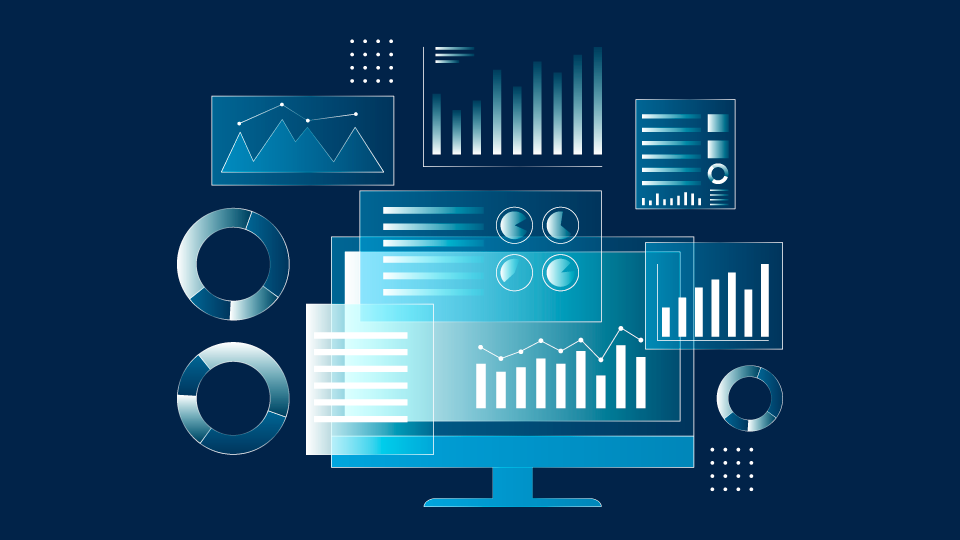
Digital analytics dashboard displaying charts, graphs, and performance metrics on a computer screen, representing business intelligence, predictive analytics, and data-driven decision-making.

AR Product Visualization in Mobile Apps: The Future of Online Shopping
Explore how AR product visualization is transforming e-commerce UX with immersive mobile shopping experiences, virtual try-ons, and interactive product previews.